The Future of Broadcasting: Trends and Innovations You Need to Know
The broadcasting industry is experiencing considerable change. Streaming services are reshaping viewer engagement through personalized content and interactive features. With audiences gravitating more toward digital platforms, conventional broadcasting encounters new obstacles. Advancements including augmented reality and artificial intelligence are poised to elevate the viewer experience. This ongoing shift sparks inquiry into the abilities that future broadcasting professionals will need. What implications do these trends hold for the industry's future?
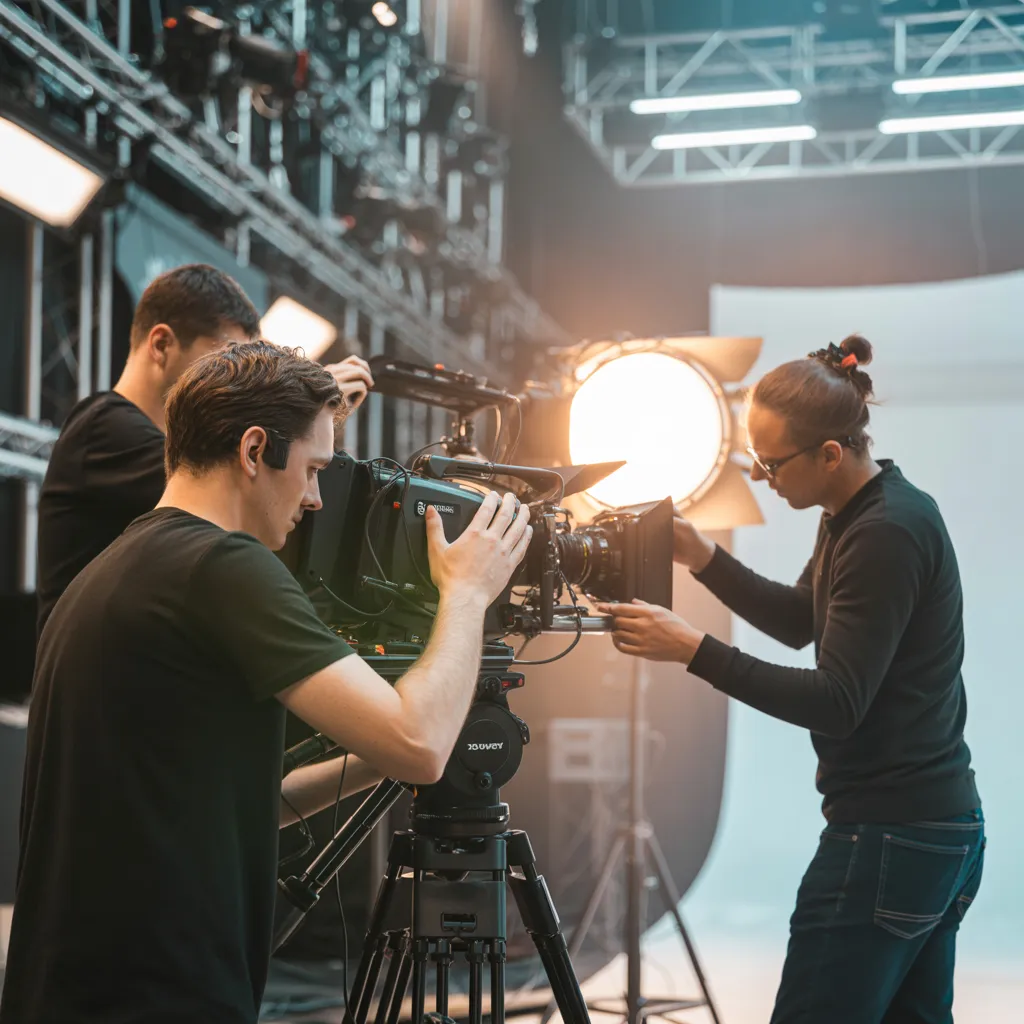
The Way Streaming Services Are Redefining Viewer Engagement
As streaming services continue to proliferate, they are dramatically changing viewer engagement by offering customized content journeys. By employing sophisticated algorithms, these platforms study user habits and preferences to curate tailored recommendations, which greatly enhances viewer satisfaction. This shift allows audiences to find content suited to their preferences, thereby creating a more engaging experience.
Additionally, streaming platforms emphasize interactive features, allowing viewers to interact with content through features like live discussions and social platform integration. This creates a community atmosphere among audiences, converting passive viewing into active engagement. Furthermore, the on-demand aspect of streaming services facilitates binge-watching, significantly enhancing viewer participation.
As a result, the conventional audience experience is evolving; viewers are no longer merely passive recipients but active contributors in their content journey. This broadening of content access marks a pivotal shift in how media is accessed and engaged with in today's digital landscape.
Why Conventional Broadcasting Is Yielding to Digital Platforms
The transition from traditional broadcasting to digital streaming platforms is a result of changing viewer preferences that favor on-demand media consumption. The rise of streaming services has revolutionized how audiences engage with media, offering unmatched flexibility and a wide range of options. Furthermore, improved interactivity tools connect with viewers in ways that legacy broadcasting formats are unable to replicate.
Changing Audience Tendencies
Although traditional broadcasting previously held dominance in the media landscape, a major move toward digital platforms is redefining viewer preferences. Viewers are increasingly drawn to on-demand content, enabling them to view shows and films at their own pace. This freedom directly opposes the inflexible schedules of traditional broadcasting. Furthermore, audiences are attracted to customized experiences, where algorithms deliver content suited to personal preferences. Social media platforms also play an essential role, enabling users to engage with content and creators directly. The expansion of mobile viewing has further affected audience preferences, as viewers look for content that complements their daily routines. Therefore, traditional television networks find it increasingly difficult to hold onto their audiences, pushing networks to innovate or face becoming outdated in a rapidly shifting media world.
Emergence of Streaming Services
Consumer viewing habits are progressively influenced by the presence and attractiveness of streaming services, which offer a strong substitute to traditional broadcasting. As consumers pursue adaptable and readily available programming, services like copyright, Hulu, and Amazon Prime have risen as leading players. These platforms offer extensive collections of content, enabling viewers to choose what to watch and when to watch it, free from restrictive schedules. The growth of exclusive programming produced by these services has additionally heightened rivalry, drawing audiences away from traditional broadcasters. Additionally, paid membership plans frequently remove advertisements, enhancing the viewing experience. Consequently, traditional broadcasters face challenges in retaining audiences, prompting many to react by launching their own on-demand services to address shifting consumer preferences.
Advanced Interactivity Capabilities
More and more, audiences are drawn to digital platforms for their superior interactive capabilities, which conventional broadcasting fails to match. This change permits users to interact with material in entirely new ways. Features such as live polls, real-time comments, and personalized content recommendations foster a deeper level of engagement. Online platforms allow viewers to shape content decisions, fostering a sense of community and participation. In addition, the incorporation of social media enables real-time communication with content makers, steadily narrowing the gap between those who create and those who consume. As tastes evolve toward such engaging formats, traditional broadcasters face challenges in adapting their formats and strategies. In the end, the desire for participation will continue pushing audiences from standard broadcasting toward more innovative digital solutions.
How Augmented Reality Is Revolutionizing Broadcasting
Augmented reality (AR) is revolutionizing the world of broadcasting by elevating audience engagement with immersive experiences. By incorporating real-time data within broadcasts, AR engages audiences while delivering a deeper comprehension of the content. This groundbreaking technological development not only appeals to viewers but also reshapes the way information is shared and experienced.
Increased Viewer Participation
Transforming the realm of media broadcasting, augmented reality is redefining how people interact with content. By incorporating virtual elements into live programming, AR delivers immersive experiences that fascinate viewers. This advancement empowers users to interact with broadcasts in the moment, elevating their experience and appreciation. For instance, sporting broadcasts leverage AR to display player data and statistics, delivering a richer and more dynamic experience. Furthermore, AR enables interactive features, such as interactive polls and quizzes, encouraging audience participation. As media broadcasters continue to embrace AR, they are not only elevating viewer engagement but also cultivating a sense of togetherness among viewers. This shift signifies a move towards a more collaborative model, where viewers are no longer mere spectators but active participants to the broadcasting experience.
Real-Time Data Synchronization
As broadcasters integrate emerging technologies, the integration of real-time data proves to be a game-changer in enhancing viewer experiences. By incorporating augmented reality, broadcasters can deliver live data, graphics, and engaging elements that enrich storytelling. To illustrate, during live sports events, viewers can view player data displayed over the live action, offering real-time context. This integration allows for a deeply engaging experience, allowing viewers to interact with content in real time. Furthermore, AR can personalize broadcasts, tailoring information to individual preferences and behaviors. Consequently, live data not only attracts viewers but also builds meaningful relationships between audiences and broadcast content. This dynamic landscape signals a promising future for broadcast media, powered by innovations in technology and viewer-focused approaches.
The Role of Personalization in Content
While audiences increasingly demand content that resonates with their unique interests, the critical nature of broadcasting personalization has linked article never been more critical. With the rapid growth of digital platforms, viewers are overwhelmed by extensive quantities of content, making it imperative for broadcasters to craft personalized experiences that drive engagement and capture viewer attention. Personalization enhances viewer satisfaction by offering meaningful and timely suggestions, thereby substantially boosting viewer loyalty.
Moreover, data analytics serves a critical function in analyzing audience patterns, enabling broadcasters to curate content that resonates with specific preferences and desires. This flexible strategy not only solidifies viewer commitment but also drives advertising effectiveness, as brands seek to connect with targeted demographics.
During a period when competition is fierce, embracing personalization is not merely advantageous; it is critical for broadcasters striving to excel. By championing customized content, they can create meaningful connections and build a more engaged, satisfied audience.
What's Next in Broadcast Technology?
Advanced technologies stand ready to reshape the media broadcasting sector, paving the way for deeper and more participatory media experiences. Breakthroughs including virtual reality (VR) and augmented reality (AR) are elevating the viewer experience, empowering audiences to interact with media content. Moreover, advancements in 5G technology deliver enhanced data throughput, enabling seamless streaming of high-definition content with minimal latency.
Artificial intelligence (AI) is also transforming broadcasting by customizing content suggestions and streamlining production workflows. AI-based analytical tools equip broadcasters with critical information about viewer habits, encouraging the development of more refined content approaches. Additionally, the integration of cloud-based solutions allows for greater flexibility and scalability in content delivery, meeting the rising consumer appetite for on-demand content.
As these technologies evolve, they will redefine traditional broadcasting methods, enabling a transition to more dynamic and adaptive media landscapes, ultimately elevating the experience for audiences everywhere. The future of broadcasting is set to embrace these innovations, generating possibilities for creators and audiences alike.
Fundamental Skills for Tomorrow's Broadcasters
The changing landscape of broadcasting requires a new set of competencies for future professionals in the field. Critical competencies include digital proficiency, as broadcasters must adeptly navigate various platforms and technologies. Proficiency in multimedia production is also essential, allowing them to develop compelling content across video, audio, and social media. Understanding data analytics is essential, enabling broadcasters to measure audience engagement and adjust content appropriately.
Moreover, powerful narrative skills remain essential, as engaging stories resonate with audiences. Versatility is another critical attribute, considering the fast pace of technological change and evolving audience preferences. Partnership abilities are vital for working in increasingly cross-disciplinary settings, where experts team up with graphic designers, data analysts, and marketing authorities. Ultimately, a devotion to ethical journalism is fundamental, ensuring that future broadcasters maintain integrity and trustworthiness in their reporting. These proficiencies will empower them to flourish in a dynamic media landscape.
Questions We Often Receive
How Will AI Transform Content Creation in Broadcasting?
AI is set to revolutionize content creation in broadcasting by streamlining repetitive tasks, boosting audience-specific customization, and optimizing production workflows. This innovation empowers creators to evaluate audience behavior, ultimately leading to more engaging and efficient content delivery.
What Impact Does Social Media Have on the Future of Broadcasting?
Social media enhances broadcasting's future by enabling instant viewer participation, expanding reach, and facilitating focused content sharing. It converts traditional broadcasting into a dynamic interactive medium, fostering community connections and encouraging viewer retention.
Are There Any Risks Linked to Personalized Broadcasting?
Yes, targeted broadcasting comes with inherent risks, including privacy concerns, echo chambers, and bias within algorithms. These factors can limit exposure to diverse perspectives, potentially leading to misinformation and reinforcing existing beliefs within targeted audiences.
How Can Broadcasters Promote Inclusivity in Future Programming?
Broadcasters can guarantee inclusivity by meaningfully involving diverse communities, seeking feedback, integrating diverse perspectives, and using inclusive formats. Regular cultural competency development for creators additionally nurtures an environment that supports representation and equality in all content.
Which Skills Will Be Vital for Audiences in the Years Ahead?
In the future, audiences will demand robust digital fluency skills, analytical thinking capabilities, and the ability to adapt to navigate varied broadcasting platforms. Understanding content development and data interpretation will also become essential for interacting successfully with evolving broadcasting landscapes.